

The Importance of Electrical Installation Reports
Electrical safety is a critical aspect of any building, whether residential, commercial, or industrial. Ensuring that electrical systems are safe and compliant with regulations protects lives, property, and investments. One of the most effective ways to maintain electrical safety is through regular electrical installation reports. These reports provide a detailed assessment of the condition of electrical installations, highlighting any faults, risks, or areas needing improvement.
Understanding the significance of these reports can help property owners, managers, and electricians maintain safe environments and avoid costly repairs or dangerous incidents.
Why Electrical Installation Reports Matter
Electrical installation reports are essential documents that provide a snapshot of the current state of an electrical system. They are typically carried out by qualified electricians and are designed to identify potential hazards before they cause harm.
Here are some key reasons why these reports are important:
Safety Assurance: Faulty wiring or outdated electrical components can lead to fires, electric shocks, or equipment failure. A thorough report helps identify these risks early.
Legal Compliance: Many countries require periodic electrical inspections to comply with safety regulations. Having up-to-date reports ensures compliance and avoids legal penalties.
Insurance Requirements: Insurance companies often require proof of regular electrical inspections to validate coverage.
Property Value: Well-maintained electrical systems increase the value of a property and make it more attractive to buyers or tenants.
Preventative Maintenance: Early detection of issues can save money by preventing major repairs or replacements.
By investing in regular electrical installation reports, property owners can protect their assets and ensure the safety of occupants.

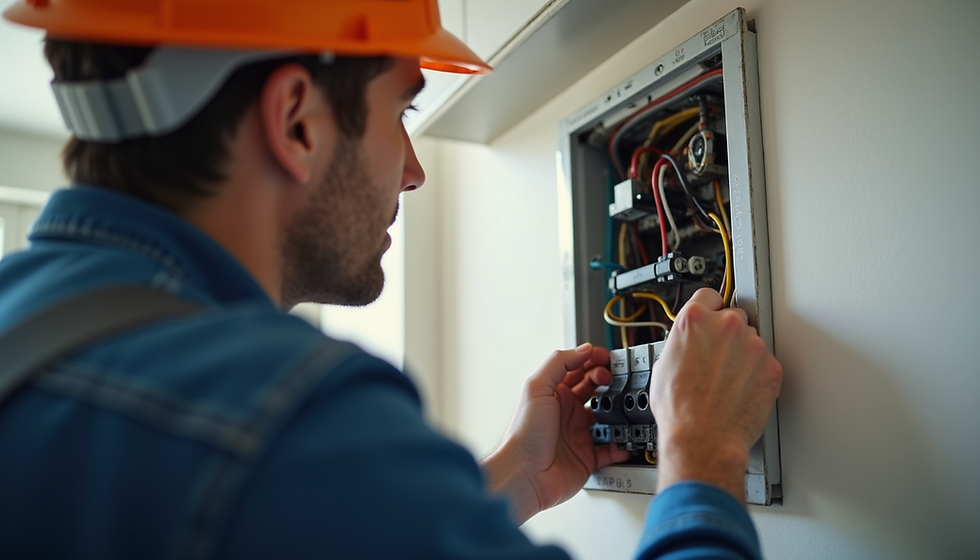
Electrician conducting a detailed inspection of a fuse box
Understanding Electrical Installation Reports
Electrical installation reports provide a comprehensive overview of the electrical system’s condition. They include detailed information about the wiring, circuits, protective devices, and overall compliance with current standards.
These reports typically cover:
Visual Inspection: Checking for visible signs of damage, wear, or incorrect installation.
Testing: Using specialised equipment to test the integrity of circuits, insulation resistance, and earth continuity.
Compliance Check: Ensuring the installation meets the latest regulations and standards.
Risk Assessment: Identifying any immediate or potential hazards.
Recommendations: Suggesting necessary repairs, upgrades, or maintenance actions.
The report is usually presented in a clear, structured format, making it easy for non-experts to understand the findings and take appropriate action.

Electrical testing equipment connected to a circuit board during inspection
What does an electrical installation condition report involve?
An electrical installation condition report involves a systematic process carried out by a qualified electrician to assess the safety and functionality of an electrical system. The process includes several key steps:
Initial Visual Inspection
The electrician examines all accessible parts of the installation, including wiring, sockets, switches, consumer units, and protective devices. They look for signs of damage, deterioration, or non-compliance.
Testing and Measurements
Using specialised tools, the electrician performs tests such as insulation resistance testing, earth fault loop impedance testing, and polarity checks. These tests verify that the electrical system is safe and functioning correctly.
Identification of Defects
Any faults or issues found during inspection and testing are recorded. These may include damaged cables, overloaded circuits, missing protective devices, or outdated components.
Risk Evaluation
The electrician assesses the severity of any defects and their potential impact on safety. This helps prioritise repairs or replacements.
Report Compilation
A detailed report is prepared, documenting all findings, test results, and recommendations. The report may also include photographs and diagrams for clarity.
Advice and Recommendations
The electrician provides guidance on necessary remedial actions, timelines for repairs, and any further inspections required.
This thorough process ensures that the electrical installation is safe, compliant, and fit for purpose.
How to Use Electrical Installation Reports Effectively
Receiving an electrical installation report is just the first step. To maximise its benefits, property owners and managers should take the following actions:
Review the Report Carefully
Understand the findings and recommendations. If anything is unclear, consult the electrician for clarification.
Prioritise Repairs
Address any high-risk issues immediately to prevent accidents or damage.
Schedule Maintenance
Plan regular maintenance based on the report’s advice to keep the system in good condition.
Keep Records
Store reports safely for future reference, insurance purposes, or when selling the property.
Plan for Upgrades
Use the report to identify opportunities for upgrading the electrical system to improve efficiency or capacity.
By actively using the information in the report, property owners can maintain a safe and reliable electrical system.
The Role of Electrical Installation Reports in Property Management
For property managers, electrical installation reports are invaluable tools. They help ensure tenant safety, comply with legal obligations, and maintain the property’s value.
Some practical benefits include:
Tenant Safety: Regular inspections reduce the risk of electrical accidents, creating a safer living or working environment.
Legal Compliance: Many jurisdictions require periodic electrical inspections for rental properties. Reports provide proof of compliance.
Cost Management: Early detection of faults prevents expensive emergency repairs.
Property Maintenance: Reports help plan maintenance schedules and budget for upgrades.
Peace of Mind: Knowing the electrical system is safe reduces stress for managers and owners.
Incorporating electrical installation reports into routine property management practices is a smart and responsible approach.
Staying Ahead with Regular Electrical Installation Reports
Electrical systems degrade over time due to wear, environmental factors, and usage. Regular electrical installation reports help track this degradation and ensure timely interventions.
Recommended frequency for inspections:
Residential properties: Every 5 years or at change of occupancy.
Commercial properties: Every 3-5 years depending on usage.
Industrial sites: More frequent inspections may be necessary due to higher risks.
Regular reports provide a continuous safety net, helping to avoid unexpected failures and ensuring compliance with evolving standards.
Electrical installation reports are more than just paperwork - they are vital tools for safety, compliance, and property management. By understanding their importance and using them effectively, property owners and managers can protect people and assets while maintaining peace of mind.
For more detailed information, you can explore the electrical installation condition report guidelines and standards.


Comments